
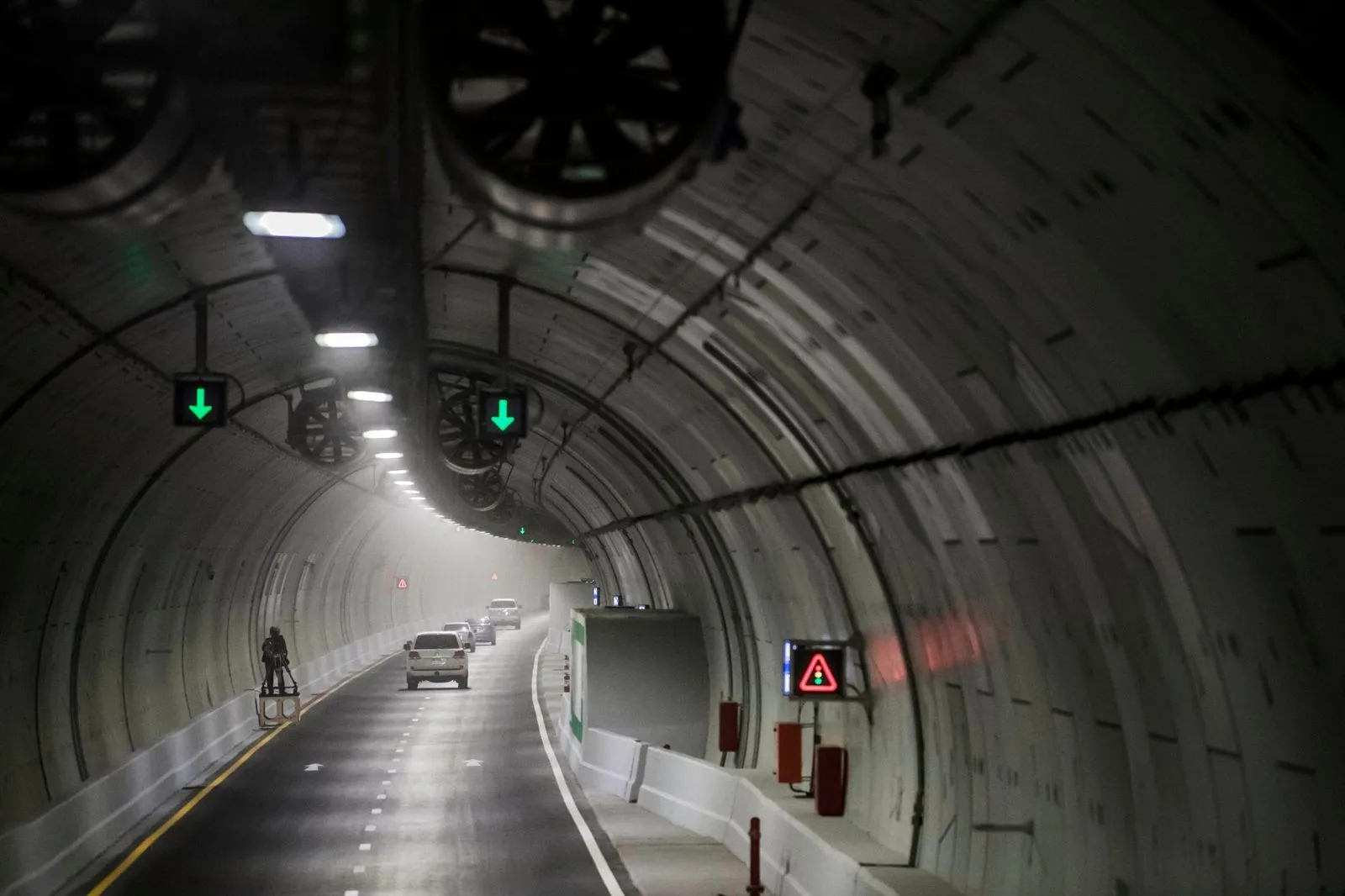
Over the past few years, Egypt has witnessed one of the largest infrastructure transformations in its modern history through the construction of a massive tunnel network beneath the Suez Canal. These tunnels have completely changed transportation between the Nile Valley and the Sinai Peninsula.
The new tunnels are not simply road crossings; they are a strategic national project designed to:
- Develop Sinai
- Support tourism
- Facilitate trade and transportation
- Attract investments
- Create new urban communities
- Strengthen Egypt's national security
Today, Sinai is more connected to the rest of Egypt than ever before through a modern network of tunnels, highways, and bridges.
The New Suez Canal Tunnel Network
The project includes several major tunnels beneath the Suez Canal connecting East and West Egypt, including:
- The Original Martyr Ahmed Hamdi Tunnel
- Martyr Ahmed Hamdi Tunnel 2
- Ismailia "Tahya Misr" Tunnels
- Port Said Tunnels
- New highways and transportation corridors linked to the tunnels
This network is considered one of the largest tunnel projects in the Middle East and Africa, and one of Egypt's most important national infrastructure achievements.
1. The Original Martyr Ahmed Hamdi Tunnel
The original Martyr Ahmed Hamdi Tunnel was the first road tunnel built beneath the Suez Canal and became one of the main gateways connecting Sinai with mainland Egypt.
Key facts
- Located in Suez Governorate
- Opened in 1981
- Approximately 1.6 kilometers long
- For decades, the main crossing point into Sinai
- Named after Martyr Ahmed Hamdi, one of the heroes of the October War
Despite its importance, increasing traffic over the years created the need for a second tunnel to reduce congestion and waiting times.
2. Martyr Ahmed Hamdi Tunnel 2
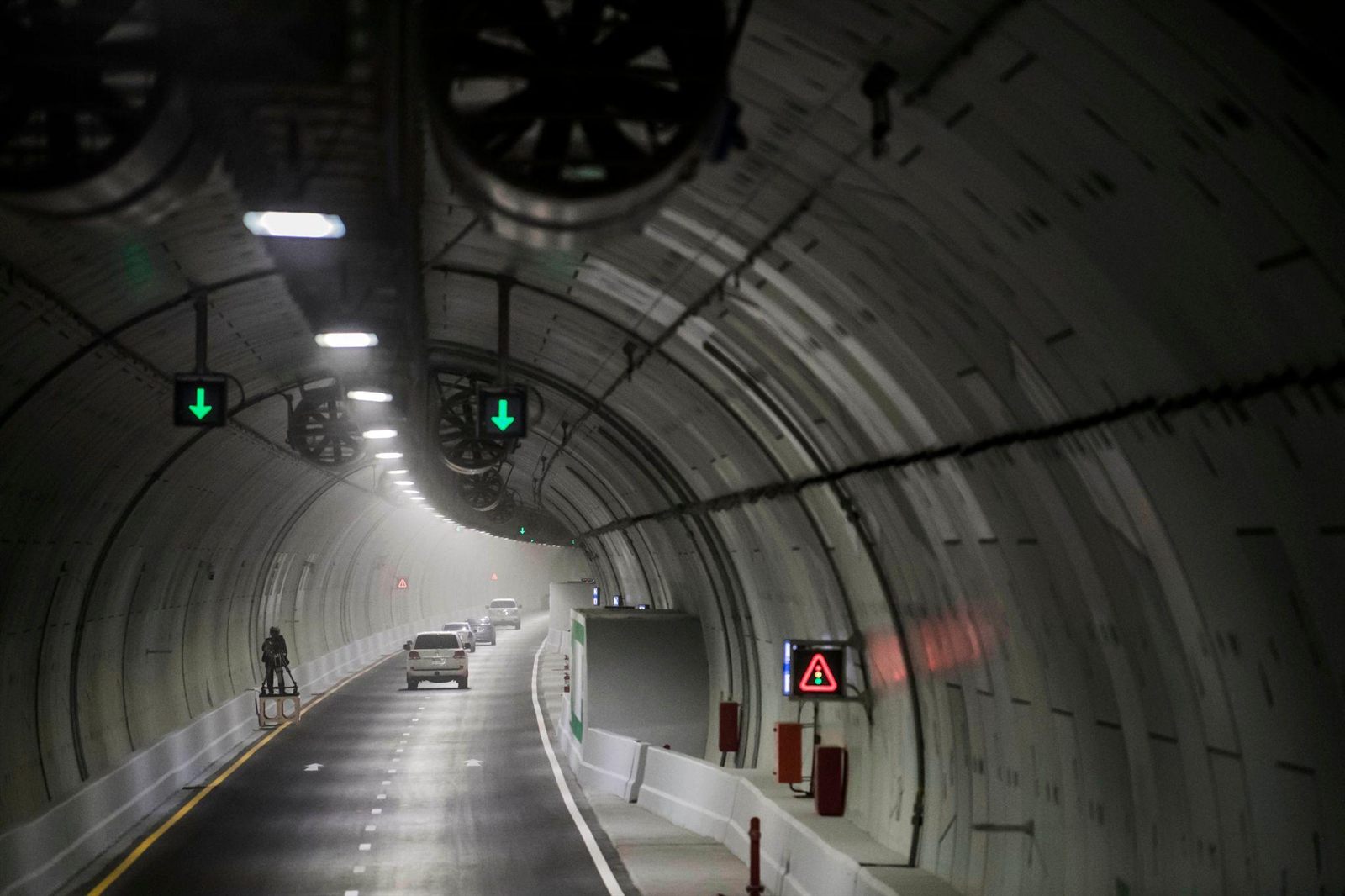
Martyr Ahmed Hamdi Tunnel 2 is one of Egypt's newest mega infrastructure projects connecting Sinai with the Nile Valley.
Project execution
- Construction began in April 2019
- Completed in approximately 28 months
- More than 5,000 Egyptian engineers, technicians, and workers participated
Construction companies
- Petrojet
- Concord
Tunnel specifications
- Total length: 4,250 metres
- Tunnel excavation length: 3,400 metres
- Open excavation length: 850 metres
- Depth: 70 metres below ground level
- Internal diameter: 11 metres
- External diameter: more than 12 metres
- Two traffic lanes, each 3.6 metres wide
- Capacity of approximately 40,000 vehicles daily
Safety systems
- Advanced ventilation systems
- Firefighting systems
- Surveillance cameras
- Speed monitoring radars
- Backup power generators
- Emergency and crisis management rooms
- 51 emergency telephone cabins inside the tunnel
Why it matters
- Reduces pressure on the old tunnel
- Minimises waiting times
- Facilitates trade and tourism movement
- Supports South Sinai development
- Improves transportation between East and West of the canal
3. Ismailia "Tahya Misr" Tunnels
The Ismailia Tunnels are among the most important projects improving access to Central and North Sinai.
- Two road tunnels
- Located south of Ismailia
- Officially named "Tahya Misr" Tunnels
- Opened in 2019
- Two traffic lanes each, equipped with modern safety and monitoring systems
- Connected to major highways and transportation corridors
Impact: shorter crossing times to Sinai, growth in North and Central Sinai, easier cargo movement, support for industrial and logistics zones, and a boost for domestic tourism — improving transport between Cairo, the canal cities, North Sinai, and new industrial areas.
4. Port Said Tunnels
The Port Said Tunnels represent a major advancement in connecting East Port Said and Sinai with mainland Egypt.
- Two road tunnels
- Located south of Port Said
- Opened as part of Egypt's modern national development projects
Impact: support for the Suez Canal Economic Zone, smoother transport between East and West of the canal, service to East Port Said Port, and a magnet for industrial and logistics investment. They link directly to major ports and industrial zones within the Suez Canal Economic Zone.
How the tunnels are transforming tourism in Sinai
Tourism is one of the biggest beneficiaries of the new network, especially with easier access to South Sinai destinations such as Sharm El Sheikh, Dahab, Nuweiba, Taba, and Saint Catherine.
1. Easier access
Travel to Sinai is now faster and more comfortable for both domestic tourism and road trips.
2. Tourism investment
The tunnels encouraged investors to develop hotels and resorts, tourism projects, marinas and yacht facilities, eco-lodges, and entertainment centres.
3. Road tourism
Road travel from Cairo and the canal cities to South Sinai is safer and more convenient than ever.
4. Conference tourism
Modern infrastructure has strengthened Sharm El Sheikh's position as a global destination for conferences and international events.
Economic and investment development
The new tunnels have contributed to supporting trade movement, facilitating cargo transportation, connecting ports with industrial zones, creating new cities, providing thousands of jobs, and attracting local and international investment. Sinai is now ready to host logistics zones, heavy and light industries, major tourism developments, renewable energy projects, and agricultural and land-reclamation initiatives.
Egypt's vision for Sinai's future
Egypt is working to transform Sinai into a fully integrated centre for development, tourism, and investment — through a modern highway network, massive tunnels and bridges, new cities, ports and economic zones, and upgraded airports. The new tunnels are a key pillar of this vision, ending Sinai's isolation and opening the door to a new era of economic and tourism growth.
In short
The new Suez Canal tunnels are not just massive engineering projects — they are lifelines connecting Sinai to the heart of Egypt and opening the door to a promising future of tourism, investment, and comprehensive development. With continued infrastructure expansion and national development projects, Sinai is becoming one of the most important tourism and investment destinations in the Middle East.