
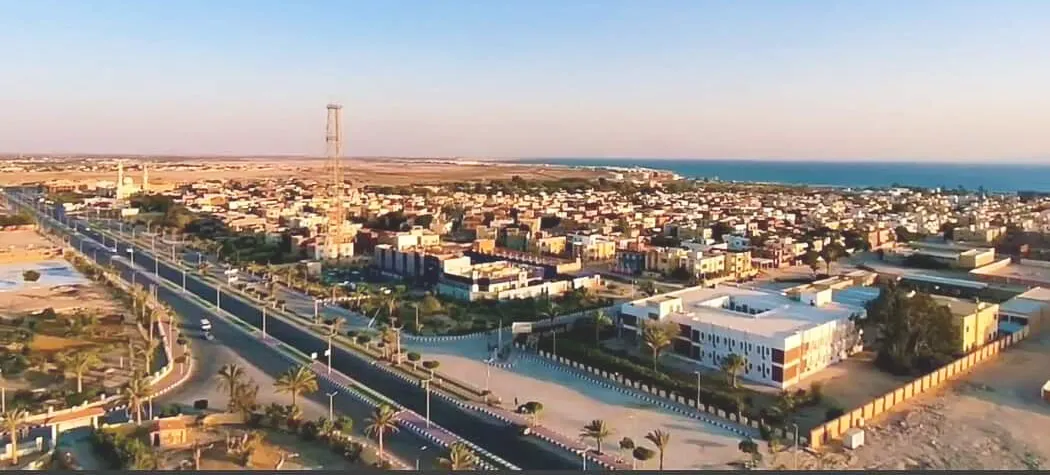
Why Ras Sidr?
While Sharm El Sheikh and Dahab tend to grab the headlines, Ras Sidr has quietly built a reputation as one of the Red Sea's most rewarding destinations. Sitting on the western coast of the Sinai Peninsula along the Gulf of Suez, this stretch of shoreline offers something increasingly rare in Egyptian tourism: space, authenticity, and world-class natural beauty - without the crowds.
The town itself is small and unpretentious, split between local residences and holiday villas, with a bustling souk at its centre. But it's the landscape that draws people back. Nearly 100 kilometres of soft sandy beaches meet crystal-clear shallow waters, backed by desert mountains that glow amber at sunset. Whether you come for the wind, the water, or simply to disappear for a few days, Ras Sidr delivers.
World-Class Kitesurfing and Windsurfing
Ras Sidr's greatest claim to fame is its wind. Consistent thermal breezes blow year-round across the Gulf of Suez, creating what many professional riders consider one of the best kitesurfing and windsurfing locations on the planet. The shallow lagoons and sandy seabed - free of rocks and coral - make it especially forgiving for beginners, while the open-water zones offer serious riders plenty of challenge.
Several professional kitesurfing schools operate along the coast, offering lessons, equipment rental, and guided sessions. Resorts like La Hacienda have designed their lagoons specifically for the sport, where the wind naturally carries riders back toward shore. Even if you've never set foot on a board, the conditions here make it the ideal place to learn.
Historical Treasures: Al Jundi Castle
About 70 kilometres south of Ras Sidr, perched atop the dramatic Ras Al Jundi hill at over 650 metres above sea level, stands Qalat Al Gindi - one of the most significant medieval military fortresses in the Sinai. Built between 1183 and 1187 by Salah ad-Din (Saladin), this imposing structure was strategically positioned to guard the pilgrimage routes from Africa to Mecca and to serve as a staging ground against Crusader forces.
The fortress is constructed from granite, limestone, and sandstone, with outer walls still standing over two metres high. Inside, you'll find well-preserved vaulted rooms, a multi-level mosque with Fatimid-style design, and a carved water cistern that once sustained the garrison. The panoramic views from the hilltop - stretching across the Sinai plains - are worth the journey alone.
Pharaoh's Baths and Natural Hot Springs
The Ras Sidr region is blessed with geothermal activity, and the natural hot springs are among its most distinctive attractions. Pharaoh's Baths, located south of the town, features 15 sulphur springs that emerge from a cave in the mountainside, forming a large natural pool. The water temperature reaches an astonishing 92C - the hottest of its kind in Egypt - before cooling to a comfortable warmth as it flows downhill. These mineral-rich waters have been used for therapeutic purposes since the time of the Pharaohs, some 5,000 years ago.
Closer to town, Ain Ras Sidr in Wadi Asal is another remarkable natural spring. Here, sulphurous water erupts from the ground at extreme temperatures before flowing through a 100-metre channel into a natural pool. Visitors come from across Egypt to bathe in these healing waters, which are believed to ease joint pain, skin conditions, and respiratory ailments.
Beaches and Coastal Life
With 95 kilometres of coastline, Ras Sidr has no shortage of beach. The waters are remarkably clear - a vivid turquoise over white sand - and the seabed stays shallow far from shore, making it ideal for families with children. Unlike the more developed Red Sea resorts, many stretches of Ras Sidr's beach remain quiet and undeveloped, offering the kind of solitude that's increasingly hard to find. 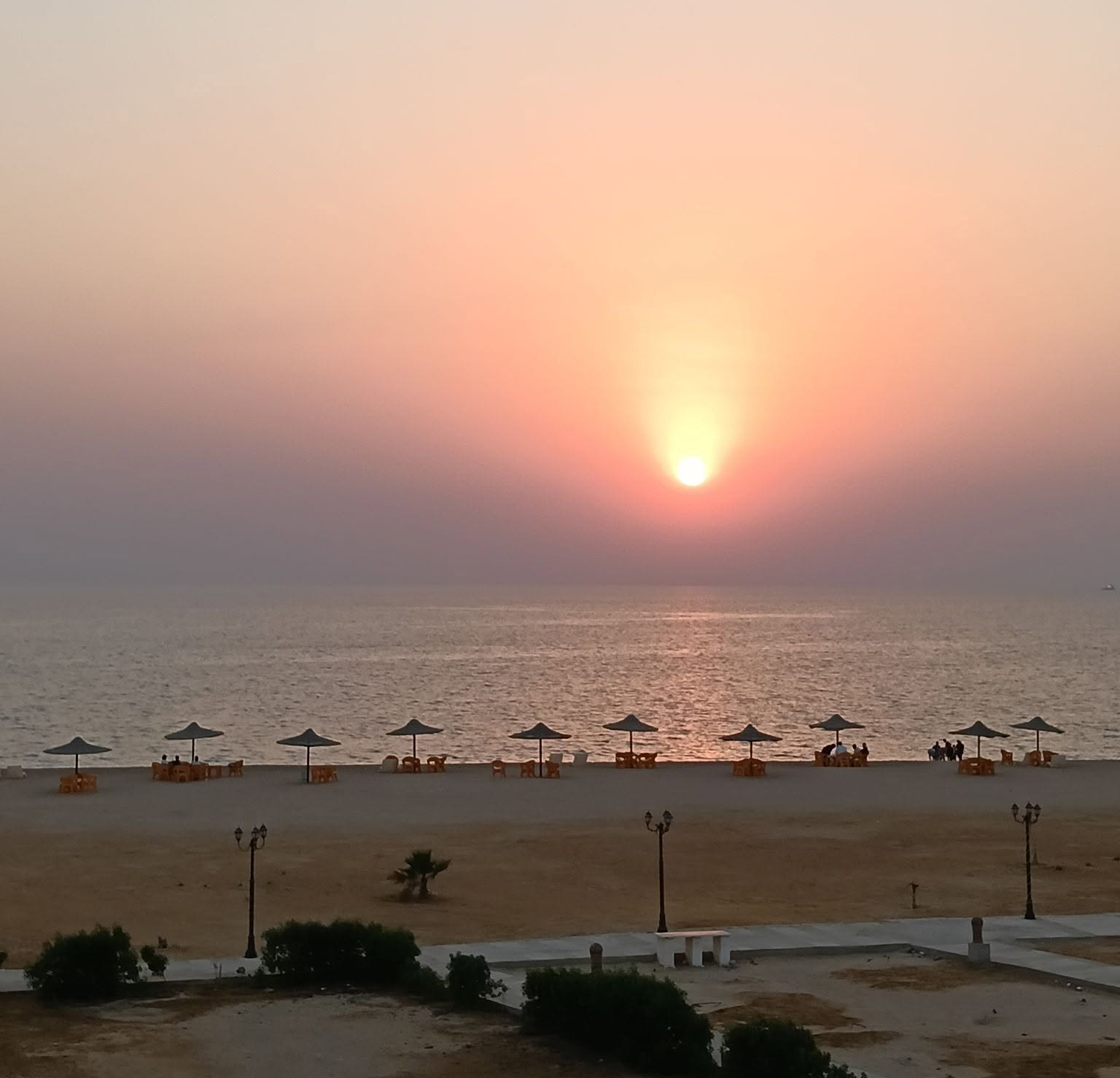
For those who prefer a livelier scene, beach resorts along the coast provide pools, restaurants, water sports centres, and direct beach access. The artificial lagoons at several properties are perfect for swimming and kayaking in calm, protected waters.
Desert Adventures and Bedouin Culture
Step away from the coast and the Sinai interior reveals itself - a rugged landscape of wadis, mountains, and vast desert plains. Desert safaris by 4x4 or camelback take you deep into this terrain, passing through fertile valleys where olives and tamarinds grow, and across barren stretches where the silence is absolute.
The Bedouin communities of Ras Sidr - primarily from the traditional Sinai tribes - maintain a rich cultural heritage. Visiting their gathering points, such as the areas around Moses Springs and Al Gharandal Valley, offers the chance to experience traditional hospitality, sample Bedouin tea, admire hand-embroidered turquoise textiles, and listen to music passed down through generations.
Birdwatching and Nature
Ras Sidr sits along the major migration corridor between Europe and Africa, making it a magnet for birdwatchers. The coastal salt marshes and lagoons host flamingos, herons, pelicans, and quail, particularly during the spring and autumn migration seasons. Inland, the Grendel Valley (Wadi Al Gharandal) - an 85-kilometre-long oasis of dense vegetation and freshwater springs - is home to diverse desert wildlife and rare bird species, offering a striking contrast to the coastal landscape.
Water Sports Beyond Kitesurfing
The Red Sea's famously clear waters around Ras Sidr are excellent for snorkelling and scuba diving, with coral reefs rich in marine life just offshore. Several diving centres along the coast offer guided trips for all experience levels.
Boat trips and yacht excursions are another popular way to explore the coastline, and keep your eyes on the water - dolphin pods are frequently spotted in the Gulf. For something more relaxed, horse riding along the beach at sunset is an unforgettable experience offered by several resorts in the area.
How to Get There
Ras Sidr is approximately 200 kilometres from Cairo, reached via the Suez-Sharm El Sheikh highway through the Ahmed Hamdi Tunnel. The drive takes around two and a half to three hours, making it an easy weekend escape from the capital. Direct buses also run from Cairo. For those coming from Sharm El Sheikh, Ras Sidr is about two hours north.
When to Visit
Ras Sidr enjoys a moderate climate year-round with low humidity, but the most comfortable months for sightseeing and outdoor activities are October to April. Spring (March to May) and autumn (September to November) offer the pleasantest temperatures and the steadiest winds for kitesurfing. Even in summer, the coastal breeze keeps things manageable - and the beaches are at their quietest.
Practical Tips
- Cash is useful. While larger resorts accept cards, smaller establishments in town and the souk are cash-only. ATMs are available but limited.
- Transport: Hiring a car or arranging taxis through your resort is the best way to explore the wider area. Key attractions like Al Jundi Castle and Pharaoh's Baths require private transport.
- Essentials: Sunscreen, water, and comfortable walking shoes for desert and historical site visits.
- Combine your trip: Ras Sidr is within reach of El Tur (the administrative capital of South Sinai), and roughly 1.5 hours from both St Catherine's Monastery and Ras Mohammed National Park.